High-Resolution Facsimiles on display
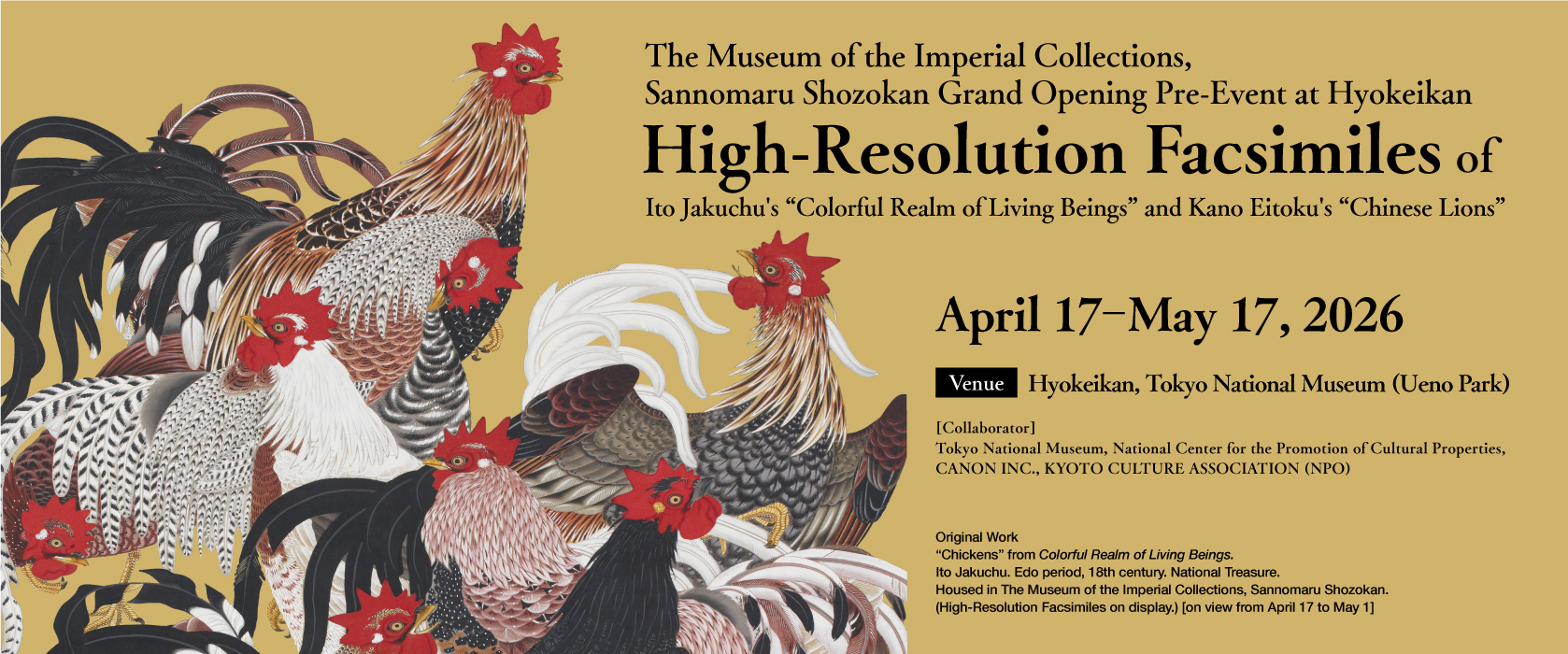
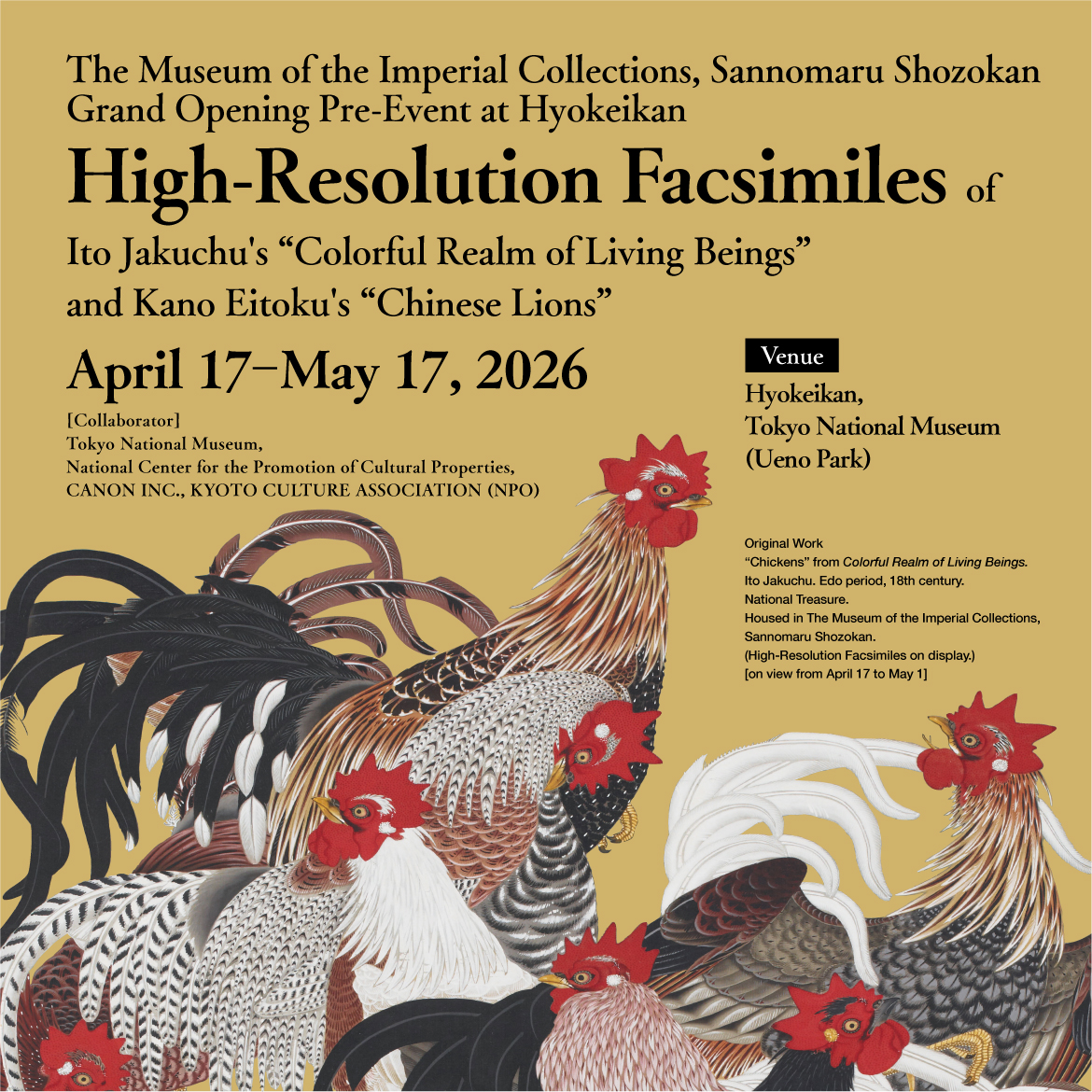
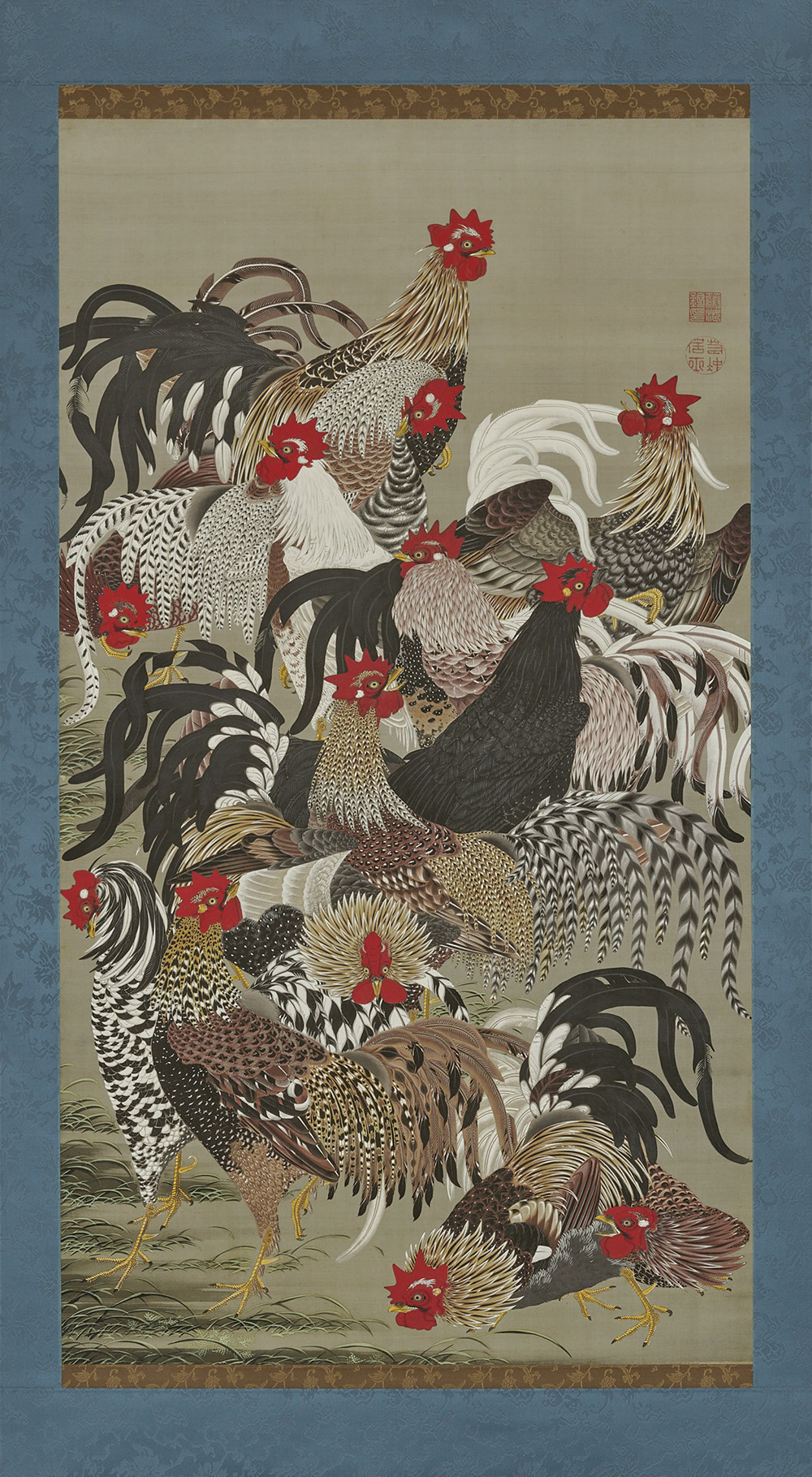
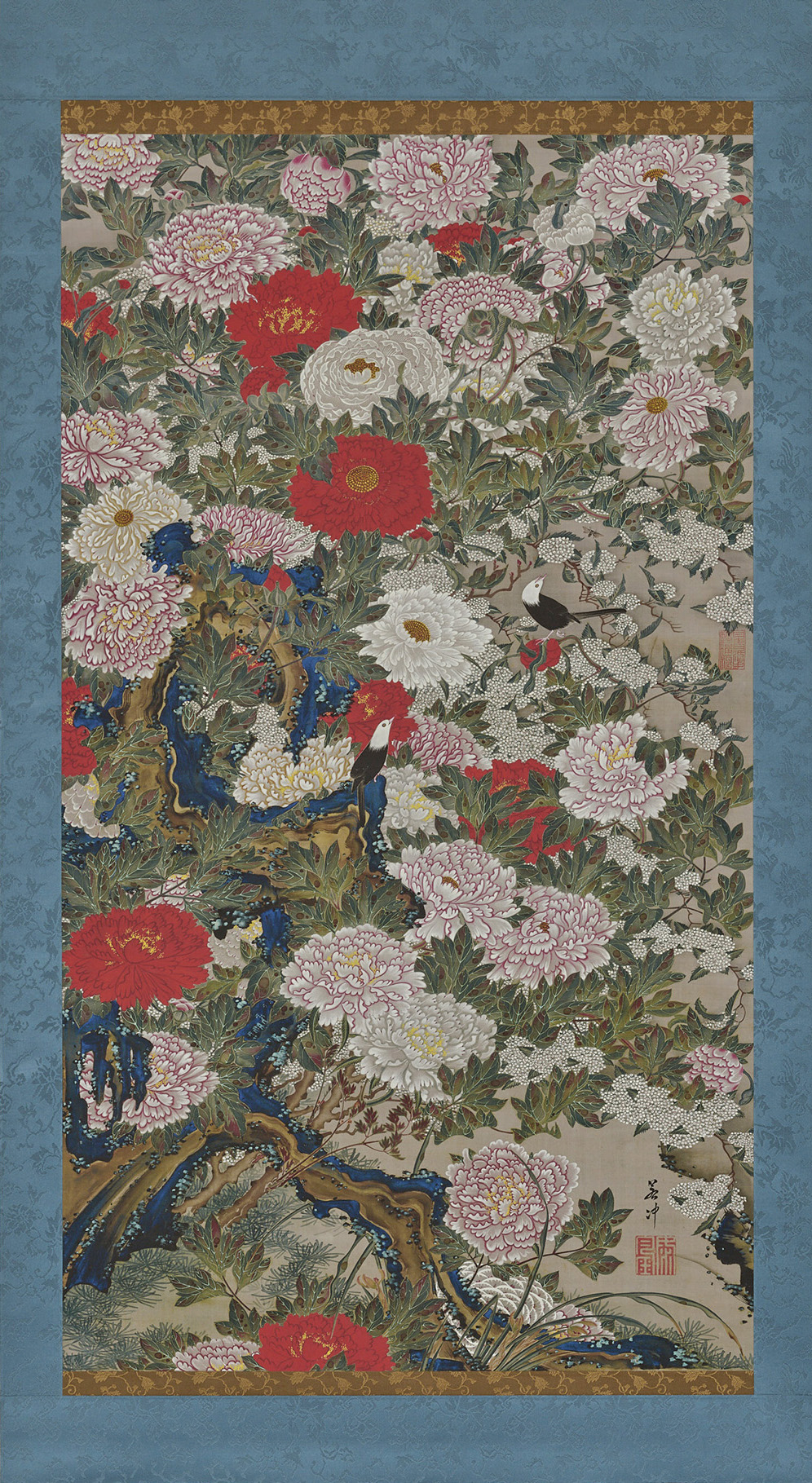
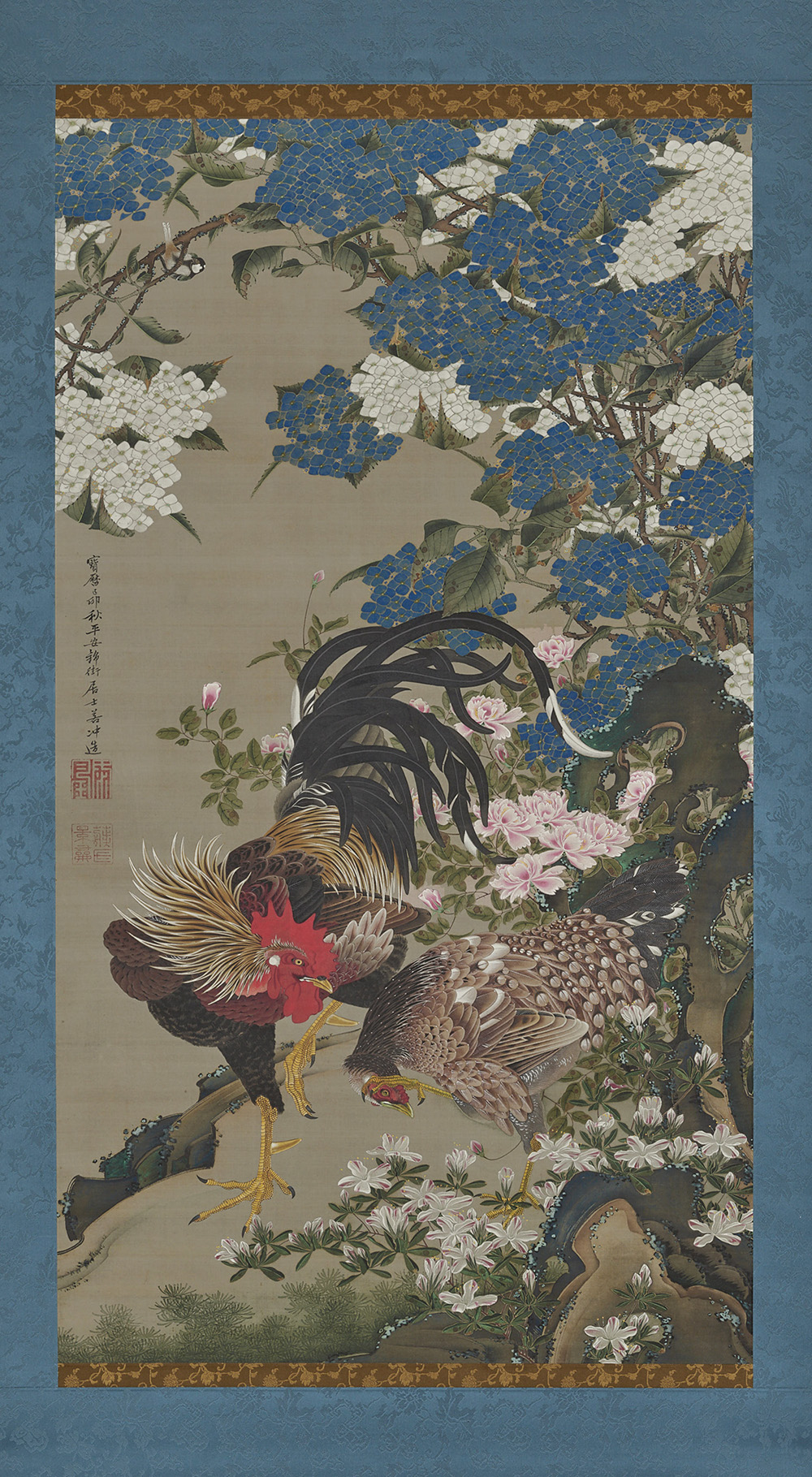
High-Resolution Facsimiles of Ito Jakuchu's Colorful Realm of Living Beings, By CANON INC., 2026.
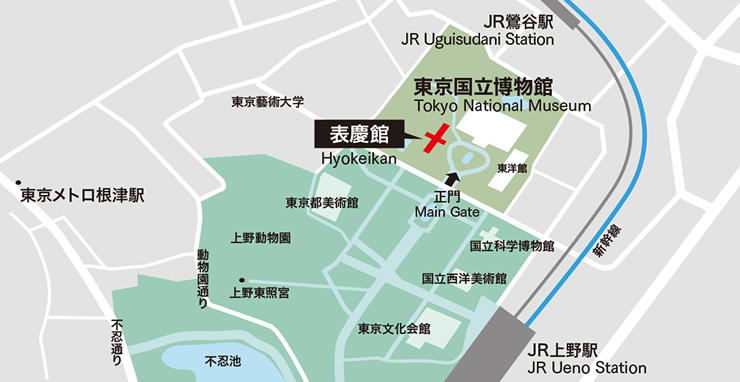
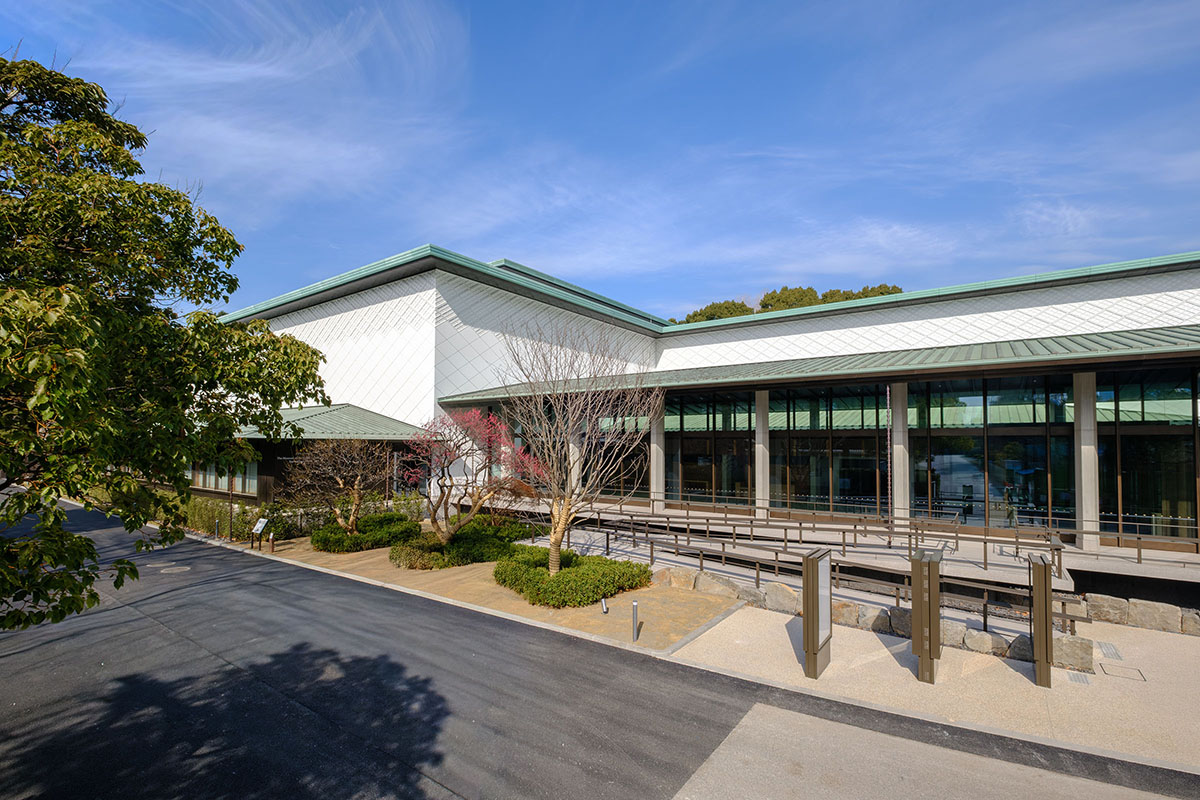
Housed in the Museum of the Imperial Collections, Sannomaru Shozokan.
Original Work
Colorful Realm of Living Beings (National Treasure), Ito Jakuchu, Edo period (18th century).
Housed in the Museum of the Imperial Collections, Sannomaru Shozokan.
The event will feature high-resolution facsimiles of all thirty scrolls comprising the work. The exhibition period will be divided into two phases and fifteen of the scrolls will be displayed at a time.
On view: April 17–May 1
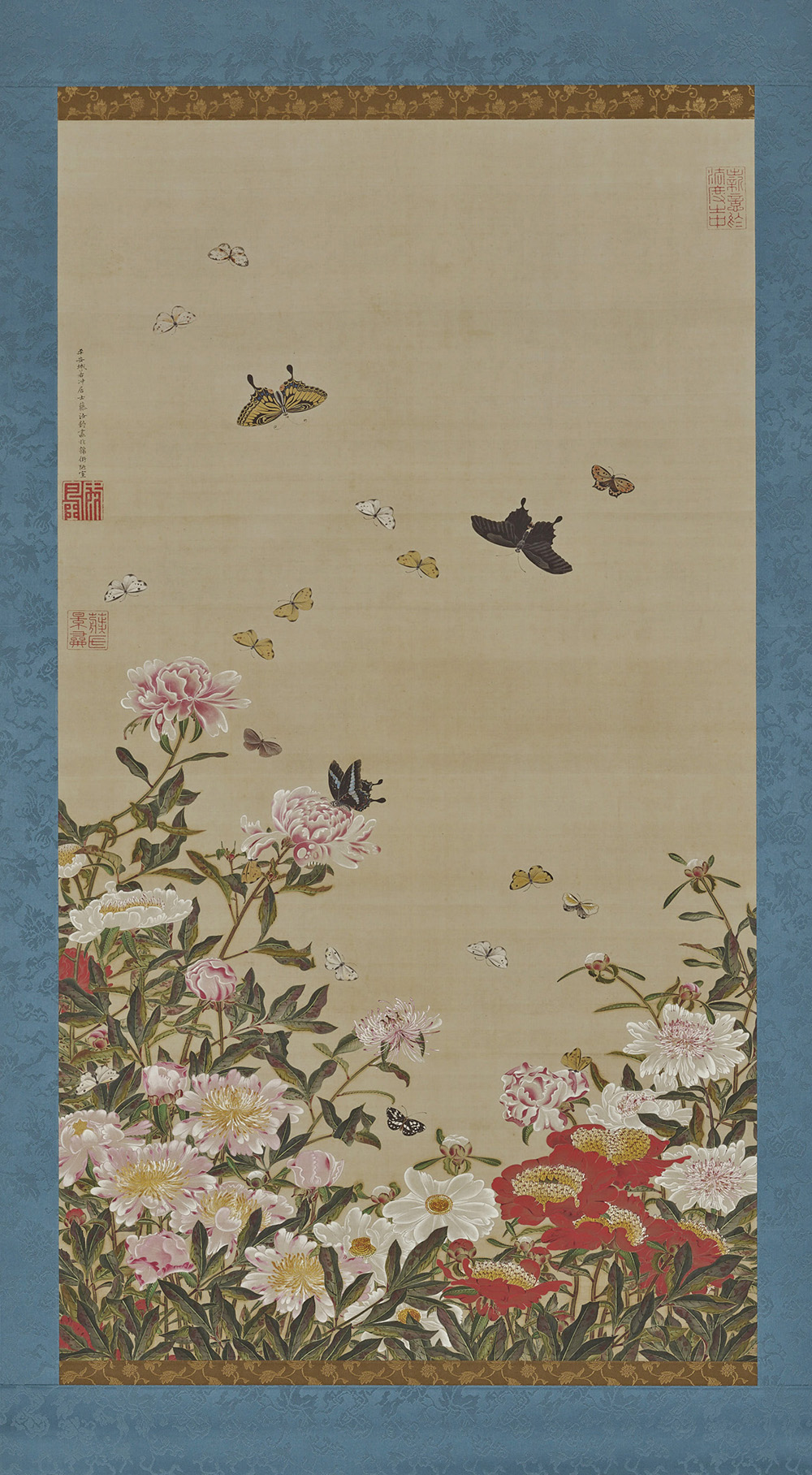
"Peonies and Butterflies"
Peonies and Butterflies, Mandarin Ducks in Snow, Sunflowers and Rooster, Plum Blossoms and Moon, Palm Trees and Roosters, Peach Blossoms and Small Birds, Chickens, Roses and Small Bird, Pond and Insects, Fish and Octopus, Chrysanthemums and Stream
On view: May 2–17
"Peonies and Small Birds"
"Hydrangeas and Pair of Chickens"
Plum Blossoms and Small Birds, Autumn Millet and Sparrows, Hydrangeas and Pair of Chickens, Rooster and Hen, Hibiscus and Pair of Chickens, Old Pine Tree and Cockatoos, Nandina and Rooster, Golden Pheasants in Snow, Peonies and Small Birds, Shells, Old Pine Tree and White Phoenix, Wild Goose and Reeds, Fish, Maple Tree and Small Birds
High-Resolution Facsimiles
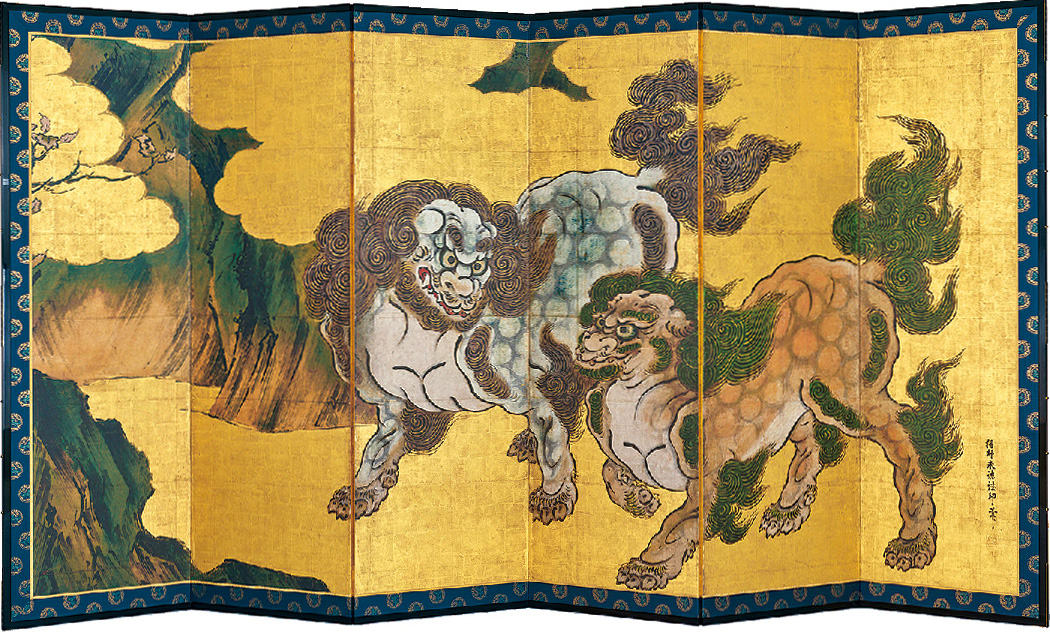
High-Resolution Facsimile of Kano Eitoku's “Chinese Lions” (Right screen)
By Canon Inc., 2023. (On view: April 17–May 17) Housed in the Museum of the Imperial Collections, Sannomaru Shozokan.
Original Work
National Treasure, Chinese Lions (Right screen)
By Kano Eitoku. Momoyama period, 16th century. National Treasure. Housed in the Museum of the Imperial Collections, Sannomaru Shozokan.
About High-Resolution Facsimiles
Joint-Research Project on the Utilization of High-Resolution Facsimiles of Cultural Properties
The high-resolution facsimiles of the Colorful Realm of Living Beings paintings and Chinese Lions screens were made mobilizing technologies developed through the Tsuzuri Project, a joint undertaking by Canon Inc. and the Kyoto Culture Association. Canon’s cutting-edge cameras and control system captured and synthesized high-resolution digital data in a non-invasive fashion, while the company’s proprietary color-matching system faithfully reproduced the hues of the original pieces. The image-processed, high-definition digital datasets were then reproduced on silk with a large-format Canon ImagePROGRAPH printer featuring a twelve-pigment ink system that can capture subtle nuances. Kyoto artisans skilled in traditional painting techniques subsequently hand-applied refinements for coloring, gold-leafing, gold pigment processing, and mounting.
Japanese cultural properties, often made of paper, silk, wood, and other fragile materials, are typically displayed inside glass cases with controlled temperature, humidity, and lighting. By contrast, facsimile displays do not require such enclosures, allowing for intimate viewing in a less restricted environment—an experience that mere duplicates cannot provide.
Photography Policy
Photography is allowed at the exhibition
Photography is allowed for non-commercial and personal use only. Please do not take video footage or panoramic shots. The use of flash, tripods, and selfie sticks is prohibited. When taking photos, please be mindful of other visitors and avoid occupying the same spot for extended periods.